
The principles of public procurement explained in under an hour
I wrote a short e-book that explains the principles of public procurement by using the hiring of a consultant as an example. The book will take less than an hour to read and yet it includes an explanation of the key steps in the process and has links to additional resources to help with writing your specification (get this wrong and the chances of things going wrong increases dramatically) and managing suppliers.
It used to be the case that 75% or 80% of public money was spent on salaries and wages but for many public bodies that has fallen to 50% or lower. This is because public bodies now do less of their work directly and buy in services from third parties.
Knowing how to procure a service and then manage the service provider is an important set of skills for the modern public sector manager. Modern managers get plenty of training in how to interview job candidates, leading teams, managing employee performance, etc but but in my experience many they rarely receive any training in the equivalent activities for suppliers rather than employees.
To help such managers I wrote a short e-book that explains the principles of public procurement by using the hiring of a consultant as an example. (As far as procurement goes the consultant could be any kind of advisor such as an architect, an IT expert, an interim manager, etc.) The book will take less than an hour to read and yet it includes an explanation of the key steps in the process and has links to additional resources to help with writing your specification (get this wrong and the chances of things going wrong increases dramatically) and managing suppliers.
To get the e-book — did I say it’s free? — click here.


How to Hire a Consultant in the Public Sector — the e-book
Over the last couple of weeks I’ve been working on a small e-book about procurement in the public sector as a learning exercise. This is not learning how to write a book, but how to get a manuscript formatted as an e-book, with a cover, etc and uploaded to a platform for sale. It turns out that it is fairly easy to do but, like many things, the first time you do it takes a lot longer.
Over the last couple of weeks I’ve been working on a small e-book as a learning exercise. This is not learning how to write a book, but how to get a manuscript formatted as an e-book, with a cover, etc and uploaded to a platform for sale. It turns out that it is fairly easy to do but, like many things, the first time you do it takes a lot longer.
I wrote an e-book about procurement in the public sector, using the example of hiring a management consultant or advisor. I did this because it seems like the sort of thing a manager might do in pretty much any part of the public sector. Schools, hospitals, local councils, police forces, etc will all use advisors from time to time and they all have to follow the same process in broad terms. What I mean is, they all need a specification, a tender or quotation process, an evaluation, and an award process even if all of them have their own specific rules. They also all need to manage the consultant once appointed, an aspect often overlooked.
I wrote the manuscript in an app called Ulysses because it allows you to write your text as plain text but export it in many formats. One of the export formats is epub which happens to be one of the formats that Apple’s iBookstore can handle. As an Apple nerd I wanted to make the book available as an iBook even though the sales potential in the iBookstore is very limited. (Let’s face it, first you have to have Apple hardware and then you have to be interested in a niche subject!)
Before I could export the epub from Ulysses I had to create a cover. I could have commissioned an artist to create a cover for me but that would cost potentially more money than I might make from this test book so I made my own. I’m not a great graphic artist but I know a bit about using an app like Pixlmator so that’s how I created the cover you can see below.
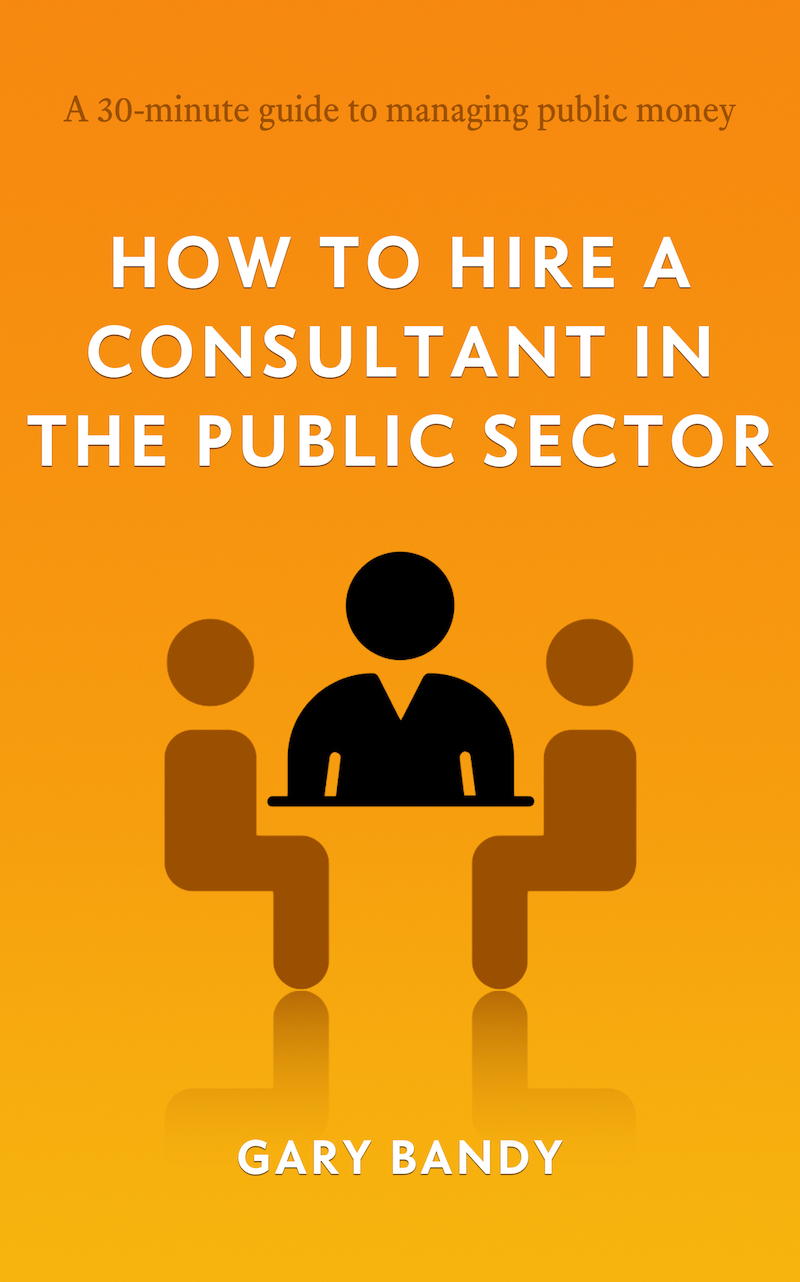
Once I had a cover I had to incorporate it into the export function in Ulysses and, bingo, I had an epub file.
Amazon Kindle does not support epub files so I then had to run my epub file through an app called Kindle Previewer in order to convert it into the mobi file type that Kindle does support.
The next part turned out to be the hardest and longest step in the whole process. I thought I would be able to use my accounts with iTunes and Amazon to upload the files and click a few buttons to add prices etc and that would be that. It is sort of like that except the first time you need to get yourself an American tax identification number in order to benefit from the tax treaty between the UK and USA. As American companies Apple an Amazon would hold back 30% tax from any royalties that I earn unless I registered with the IRS and claimed an exemption under the tax treaty. On that basis they would withhold 0% tax and I would have to pay only the UK tax on the income. That took a fair bit of research, the completion of a form, a long phone call to the IRS to explain what I was doing, etc. To be fair, at the end of the call I was given my ID number and could use it directly in the Amazon and iTunes set up pages.
After that is is more or less a case of uploading the file, entering meta data, marketing blurb, pricing information and a publication date and the book will be published.
If you are interested in reading this book about public sector procurement click on the following links to get it from Amazon or the iBookstore.